Checking out the Art of Metal Casting: Strategies and Applications in Modern Foundries
Metal casting is a classic craft that incorporates artistry with engineering precision. From old strategies to modern-day innovations, this process has advanced considerably. Different approaches, such as sand casting and lost-wax casting, showcase the versatility of the medium. Innovations like 3D printing are improving just how foundries operate. As the lines in between performance and virtuosity blur, one need to think about just how these developments influence both modern applications and standard practices. What lies ahead in this evolving landscape?
The Basics of Metal Casting
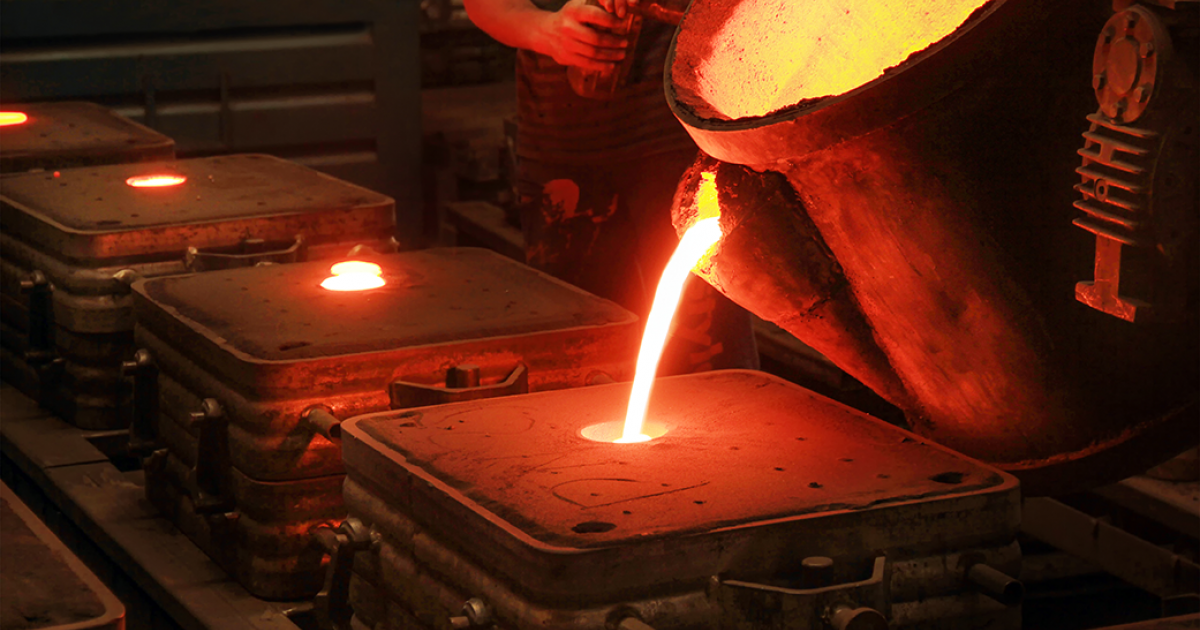
Metal casting, a pivotal procedure in manufacturing, entails pouring liquified steel into a mold and mildew to attain a wanted form. This technique serves as a structure in the production of intricate steel elements throughout different markets. Secret aspects of metal casting include the option of products, which can range from aluminum to steel, each chosen for its specific homes and application suitability. The procedure starts with mold and mildew production, which can be made from sand, steel, or porcelains, relying on the casting method used. The liquified steel is after that carefully put into the mold, where it solidifies and cools down. Vital variables such as temperature level control, cooling price, and mold and mildew layout considerably impact the end product's top quality and qualities. In addition, recognizing the physical and chemical properties of the metal aids in maximizing casting efficiency, ultimately enhancing the efficiency of the production process and making certain premium result customized to certain needs.
Typical Casting Methods
Traditional casting techniques include a variety of approaches that have actually stood the copyrightination of time, demonstrating their effectiveness in generating detailed metal components. One popular method is sand casting, which employs a combination of sand and a bonding representative to produce molds. The flexibility of sand casting enables the production of diverse shapes, making it appropriate for both small and large production. One more significant strategy is investment casting, typically made use of for specific and intricate geometries. This method includes developing a wax pattern that is covered in a ceramic shell, which is after that warmed to eliminate the wax, leaving a tooth cavity for molten metal. Furthermore, pass away casting is used for high-volume manufacturing, where molten metal is injected right into recyclable metal molds. Each of these standard strategies continues to be appropriate, showcasing the craftsmanship and skill intrinsic in the art of metal casting, while satisfying the demands of different industries.
Modern Innovations in Metal Casting
As industries advance, innovations in metal casting are reshaping production processes and improving performance. Advanced modern technologies such as 3D printing and computer-aided design (CAD) are reinventing mold and mildew development, permitting elaborate styles that were previously unattainable. These techniques facilitate fast prototyping, minimizing lead times and fostering creative thinking in item development.
Furthermore, the combination of automation and robotics in shops is streamlining procedures, minimizing human mistake, and raising safety. Smart sensing units and real-time tracking systems make it possible for accurate control of temperature level and material properties, ensuring higher high quality results.
In addition, lasting techniques are arising, with using recycled materials and energy-efficient furnaces, lowering ecological impact. The fostering of composite products and advanced alloys is also expanding the possibilities of steel casting, leading to here more powerful and lighter elements. On the whole, these modern-day advancements are transforming steel casting right into a more efficient, accurate, and environmentally liable industry.
Applications Throughout Different Industries
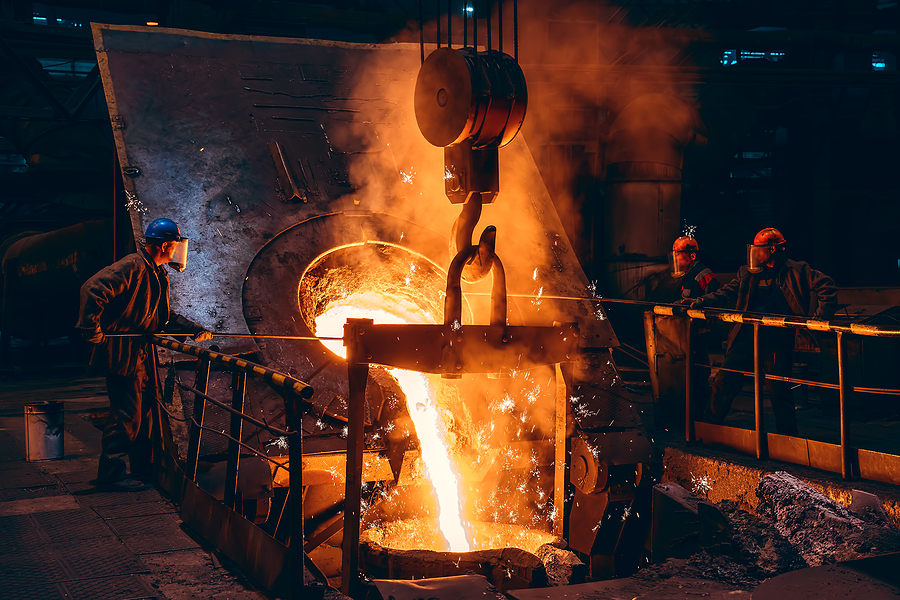
While diverse industries increasingly rely upon metal casting, the method's adaptability plays an essential duty in conference certain application needs. In the automobile market, steel casting is important for producing engine elements, transmission housings, and other intricate components that call for accuracy and toughness. The aerospace industry gain from lightweight casted components, making sure both performance and fuel effectiveness. In addition, the construction market makes use of steel casting for structural elements, such as beam of lights and sustains, boosting the honesty of bridges and structures.
The energy market employs steel casting for wind turbine blades and various other significant equipment that must withstand extreme problems. Medical devices likewise see applications of metal casting, especially in medical tools and prosthetics, where accuracy is essential - Aluminum Casting. On the whole, the adaptability and reliability of metal casting make it important across numerous areas, adding to the innovation of modern technology and facilities in modern-day culture
The Artistic Side of Metal Casting
Typically linked with industrial applications, metal casting likewise finds its area in the domain name of art, where competent artisans change liquified steel into intricate designs and meaningful sculptures. This artistic side of steel casting incorporates varied strategies, consisting of sand casting, lost-wax casting, and financial investment casting, each offering unique possibilities for imagination. Musicians use these methods to generate works that range from abstract types to lifelike depictions, enabling for personal expression and discourse on contemporary issues.
Regularly Asked Inquiries
What Safety Measures Are Vital in a Steel Casting Shop?
Important precaution in a steel casting factory consist of personal protective devices, correct air flow, emergency situation protocols, training in handling molten metals, normal devices maintenance, and clear interaction of hazards to guarantee employee security and health. Metal Foundry.
How Do Ecological Laws Influence Metal Casting Processes?
Ecological policies considerably affect steel casting procedures by mandating making use of cleaner modern technologies, lowering emissions, and advertising waste management techniques. Compliance often needs investments in tools, training, and adjustments to existing procedures to decrease environmental influence.
What Are the Typical Defects in Metal Spreadings?
Typical problems in metal spreadings consist of porosity, contraction, incorporations, and misruns. These concerns can arise from improper mold style, inadequate temperature control, or contamination, inevitably influencing the architectural integrity and overall high quality of the final item.
How Is Waste Managed Throughout Metal Casting Production?
Waste monitoring in metal casting manufacturing entails recycling scrap steel, applying efficient material use, and using advanced technologies to lessen waste. Shops adopt practices like sand improvement and correct disposal techniques to minimize environmental impact.
What Career Opportunities Exist in the Metal Casting Industry?
The steel casting sector provides varied job chances, consisting of roles such as factory supervisor, metallurgical engineer, top quality control inspector, pattern maker, and manufacturing supervisor, satisfying numerous ability sets and expertise in manufacturing processes.
Metal casting, a critical procedure in manufacturing, entails pouring molten metal into a mold to achieve a desired form. In addition, pass away casting is made use of for high-volume manufacturing, where molten metal is injected right into multiple-use steel mold and mildews. While varied markets significantly depend on steel casting, the method's adaptability plays a vital duty in meeting certain application requirements. Frequently linked with commercial applications, metal casting additionally discovers its area in the domain of art, where competent artisans change molten metal into detailed styles and expressive sculptures. Waste monitoring in steel casting manufacturing involves reusing scrap metal, applying reliable product usage, and making use of sophisticated innovations to minimize waste.