Checking out the Adaptability and Applications of Metal Casting in Modern Industry
Metal Casting are essential to numerous fields, showing their flexibility in applications ranging from automotive elements to aerospace engineering. Different spreading processes allow for the production of sturdy parts and detailed styles. As industries advance, innovations and lasting methods are reshaping the landscape of Metal Casting. This transformation elevates vital concerns about the future role of Metal Casting in manufacturing and layout performance. What developments might redefine industry standards?
Review of Metal Casting Processes
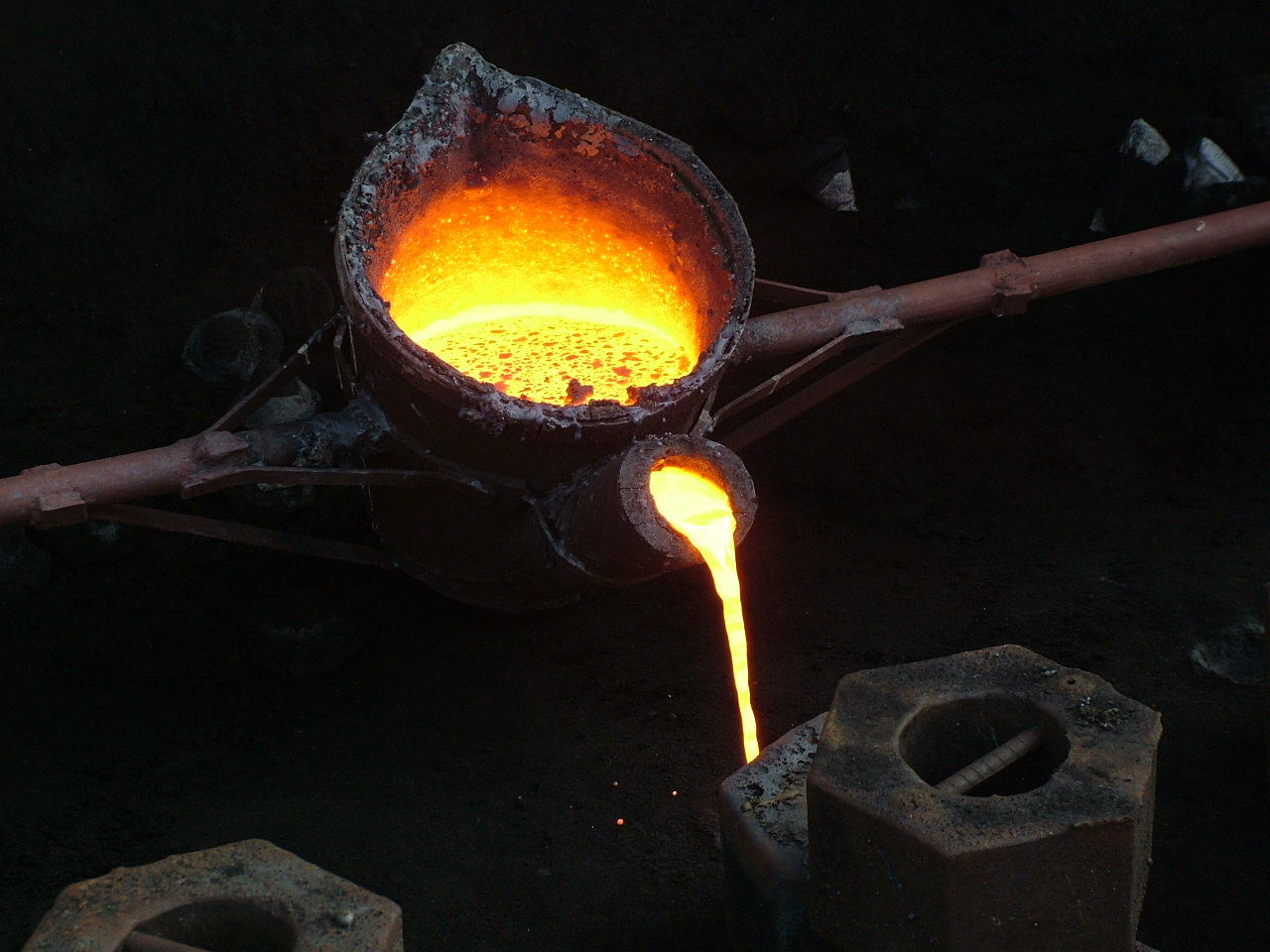
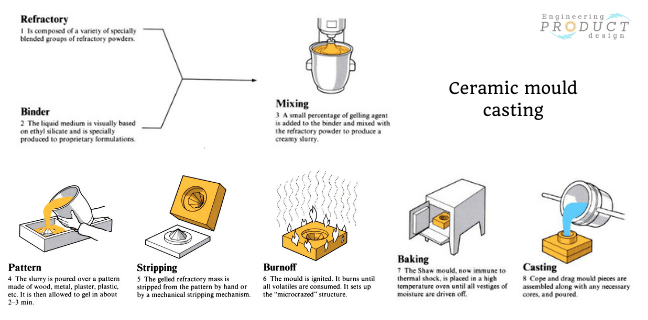
Metal Casting has actually evolved considerably over the years, its fundamental processes stay essential in modern production. Metal Casting entails several key techniques, consisting of sand casting, financial investment casting, and die casting, each customized to particular applications and products. Sand casting, among the oldest techniques, uses sand mold and mildews to shape molten metal, making it suitable for big components. Financial investment casting, understood for its accuracy, employs wax patterns covered with ceramic to achieve complex styles, commonly utilized in aerospace and clinical markets. Die spreading, defined by high stress, allows the fast production of complicated forms with excellent surface finishes, frequently made use of for vehicle parts. Each procedure provides unique advantages relating to complexity, expense, and product compatibility, allowing producers to pick one of the most ideal approach for their demands. For that reason, understanding these procedures is vital for maximizing production effectiveness and attaining preferred product requirements in an open market.
Key Industries Utilizing Metal Casting
Metal Casting play a necessary duty in different crucial sectors, driving technology and effectiveness. The automobile industry is among the largest customers of Metal Casting, utilizing them for engine elements, transmission real estates, and architectural parts. In aerospace, accuracy spreadings are vital for airplane engines and structural elements, making sure safety and security and efficiency. The power market also heavily depends on Metal Casting for wind turbine parts in power generation, along with for oil and gas applications where durability is extremely important. In addition, the building sector uses Metal Casting for structural structures, installations, and ornamental components. Production equipment and equipment take advantage of castings, which provide durable and trustworthy components important for operation. Eventually, the clinical area makes use of specialized castings for surgical tools and implants, showcasing the adaptability of Metal Casting throughout diverse applications. Each of these industries shows the value of Metal Casting ahead of time modern technology and meeting particular useful demands.
Advantages of Metal Casting in Production
The benefits of Metal Casting in production are numerous, adding substantially to the efficiency and efficiency of production procedures across various industries. One considerable benefit is the capability to create complicated shapes that would certainly be challenging or difficult to attain through various other producing methods. This complexity permits greater layout versatility, enabling engineers to maximize parts for efficiency and functionality.
Furthermore, Metal Casting can produce high-grade parts with outstanding surface area finishes and dimensional accuracy, minimizing the requirement for considerable post-processing. Aluminum Foundry. The process is likewise extremely scalable, fitting both big and little production runs without considerable modifications in tooling or configuration
Furthermore, Metal Casting often cause less product waste contrasted to typical machining approaches, advertising even more sustainable manufacturing practices. Generally, the adaptability and effectiveness of Metal Casting make them a preferred selection in sectors such as vehicle, aerospace, and building and construction, enhancing efficiency and decreasing costs.
Advancements in Metal Casting Technologies
As advancements in modern technology remain to reshape the production landscape, innovations in Metal Casting are emerging to improve sustainability, efficiency, and precision. Current growths consist of the combination of computer-aided design (CAD) and computer-aided manufacturing (WEB CAM) systems, which permit intricate designs and lowered manufacturing times. Additionally, 3D printing technology has revolutionized mold-making, enabling rapid prototyping and modification without the need for typical tooling.
Additionally, using advanced alloys and clever materials is expanding the performance capacities of actors items, leading to lighter and stronger parts. Automation and robotics are additionally playing a substantial role, streamlining procedures and lessening human error in manufacturing settings. These developments not only improve the high quality of Metal Casting yet likewise add to cost-effectiveness with reduced waste and shorter preparations. As the industry advances, these technical advancements promise to redefine the future of Metal Casting.
Sustainable Practices in Metal Casting
Lasting methods in Metal Casting are gaining prominence as suppliers look for to minimize their environmental effect while maintaining performance. Key approaches consist of using recycled products, which considerably lower raw material intake and power use. By integrating scrap steel into the spreading procedure, business can lower their carbon footprint and advertise resource effectiveness.
Additionally, improvements in energy-efficient modern technologies, such as electric heating systems and enhanced insulation, are being embraced to optimize energy usage throughout manufacturing. Additionally, makers are significantly implementing water preservation techniques to decrease waste and assurance sustainable water management practices.
In addition, the adoption of ecologically friendly spreading products, such as naturally degradable binders, is on the surge, replacing conventional materials that may release dangerous emissions. Overall, the commitment to sustainability in Metal Casting not only addresses environmental problems but likewise improves the sector's competitiveness and long-term feasibility in a swiftly evolving market.
Case Studies: Success Stories of Steel Castings
The impact of Metal Casting can be seen across different sectors, highlighting their versatility and effectiveness. In the automotive field, innovative casting strategies have brought about lighter and more fuel-efficient automobiles, while aerospace advancements have caused sophisticated parts that enhance efficiency official source and safety and security. In addition, the medical field has taken advantage of accuracy spreadings that enhance device functionality and patient outcomes.
Automotive Market Innovations
Innovation in the vehicle sector has actually been notably improved by improvements in Metal Casting techniques, which have actually enabled manufacturers to generate lighter, more resilient elements. A leading automobile firm implemented high-pressure die casting to create engine blocks that are not just lighter however also show remarkable thermal effectiveness. This change significantly boosted gas economic situation in their most recent lorry designs. An additional study highlights the usage of sand spreading for generating complex transmission components, leading to enhanced performance and reliability. Additionally, the introduction of 3D printing in Metal Casting processes has actually enabled the production of complex geometries, helping with style adaptability and minimizing waste. Collectively, these innovations display exactly how Metal Casting are improving the automobile landscape, driving innovations in efficiency and sustainability.
Aerospace Part Dope
Developments in Metal Casting have actually also made considerable strides in the aerospace market, where the need for light-weight and high-strength components is critical. Business have effectively utilized advanced spreading methods to generate components such as turbine blades and architectural structures. For copyrightple, a leading aerospace maker executed investment casting to produce complex shapes that optimize efficiency while lessening weight. This technique not only lowered manufacturing expenses but likewise improved the toughness of the components. An additional significant case involved the usage of 3D printing integrated with Metal Casting, allowing quick prototyping and faster turn-around times for new layouts. These success tales highlight the transformative impact of Metal Casting innovations, helping with development and performance in aerospace production.
Clinical Gadget Applications
Metal Casting have actually become an essential technology in the development of medical gadgets, offering services that improve both functionality and patient safety and security. Study show the effective combination of Metal Casting in different applications. For instance, orthopedic implants visit produced with accuracy casting techniques use better stamina and biocompatibility, greatly improving person results. In another circumstances, custom medical instruments are generated making use of Metal Casting, enabling tailored services that fulfill particular procedural requirements. Furthermore, the usage of light-weight steel alloys in analysis tools has resulted in raised portability and simplicity of usage in medical settings. These success tales emphasize the essential role of Metal Casting beforehand clinical technology, ensuring devices are not just reliable but additionally safe for person treatment.
Future Fads in Metal Casting Applications
The future of Metal Casting applications is poised for considerable makeover via the combination of additive manufacturing and wise production innovations. These improvements guarantee to improve efficiency and precision in casting procedures while addressing the expanding demand for sustainable practices. As industries develop, the fostering of ingenious techniques will likely redefine typical spreading techniques and add to a much more environmentally accountable method.
Additive Manufacturing Assimilation
As markets look for innovative solutions to improve manufacturing efficiency and minimize waste, the assimilation of additive manufacturing into Metal Casting procedures becomes a transformative trend. This synergy enables the development of intricate geometries that typical approaches battle to achieve. By utilizing 3D printing strategies, makers can create molds and cores with detailed styles, greatly reducing lead times and material consumption. Additionally, additive manufacturing promotes quick prototyping, allowing quicker iterations and changes in design. This advancement not just improves production yet additionally encourages modification, accommodating particular client requirements. As this integration remains to evolve, it holds the possible to redefine Metal Casting applications, using boosted accuracy, lowered expenses, and web link a much more sustainable method to manufacturing in different markets.
Smart Manufacturing Technologies
Accepting smart manufacturing modern technologies marks a considerable shift in the future of Metal Casting applications. These developments integrate automation, information analytics, and the Internet of Things (IoT), enhancing production effectiveness and high quality control. By utilizing sensors and real-time tracking, suppliers can optimize processes, decrease waste, and anticipate tools failings prior to they happen. In addition, clever modern technologies allow better personalization of spreadings, enabling for a lot more complicated layouts and faster turnaround times. The adoption of artificial intelligence in quality control better boosts defect discovery, guaranteeing higher item requirements. As these modern technologies advance, they will certainly not just improve procedures however likewise foster advancement in Metal Casting, placing firms to meet the needs of a swiftly changing industrial landscape.
Sustainable Casting Practices
Although typical Metal Casting techniques have actually long been indispensable to production, an expanding focus on sustainability is improving techniques within the sector. Modern foundries are increasingly taking on environment-friendly products and processes, such as utilizing recycled steels, which significantly reduces the ecological influence. In addition, innovations in innovation allow more effective power usage, minimizing waste and emissions during manufacturing. The unification of additive production methods additionally enhances sustainability by decreasing material waste and allowing for complicated layouts that were previously unattainable. Moreover, sector stakeholders are prioritizing life cycle assessments to assess the environmental influence of Metal Casting. As the need for greener solutions intensifies, lasting casting methods are poised to become a standard in Metal Casting, promoting an extra ingenious and responsible production landscape.
Frequently Asked Questions
What Materials Are Typically Made Use Of in Metal Casting?
Typical materials used in Metal Casting include aluminum, iron, steel, magnesium, and bronze. Each material provides distinct residential or commercial properties, making them suitable for numerous applications, from vehicle elements to elaborate artistic designs in making processes.
Exactly How Does Metal Casting Compare to Machining Processes?
Metal Casting usually supplies greater style adaptability and can generate complicated forms more effectively than machining. Nevertheless, machining provides higher precision and finer surface finishes, making each process appropriate for various applications in manufacturing.
What Are the Common Expenses Related To Metal Casting?
Normal expenses related to Metal Casting vary based on factors like complexity, quantity, and product. Initial setup can be high, however big production runs considerably decrease per-unit costs, making it economically possible for numerous applications.
How much time Does the Metal Casting Refine Take?
The Metal Casting process usually takes anywhere from a couple of hours to numerous weeks, depending on variables such as the complexity of the style, the material made use of, and the dimension of the actors object.
What Security Measures Are Required in Metal Casting Facilities?
Metal Casting centers call for security actions such as correct air flow, safety gear, emergency situation equipment, and regular training. Additionally, maintaining equipment and adhering to safety protocols ensures a safer working setting for all personnel entailed in the process.
Metal Casting includes several essential methods, consisting of sand casting, financial investment casting, and pass away casting, each tailored to particular applications and materials. Inevitably, the medical area utilizes specialized spreadings for medical tools and implants, showcasing the flexibility of Metal Casting throughout varied applications. As developments in modern technology proceed to reshape the manufacturing landscape, technologies in Metal Casting are arising to boost precision, sustainability, and efficiency. As markets seek ingenious services to boost production efficiency and reduce waste, the integration of additive production right into Metal Casting processes emerges as a transformative trend. Welcoming clever manufacturing modern technologies notes a considerable change in the future of Metal Casting applications.